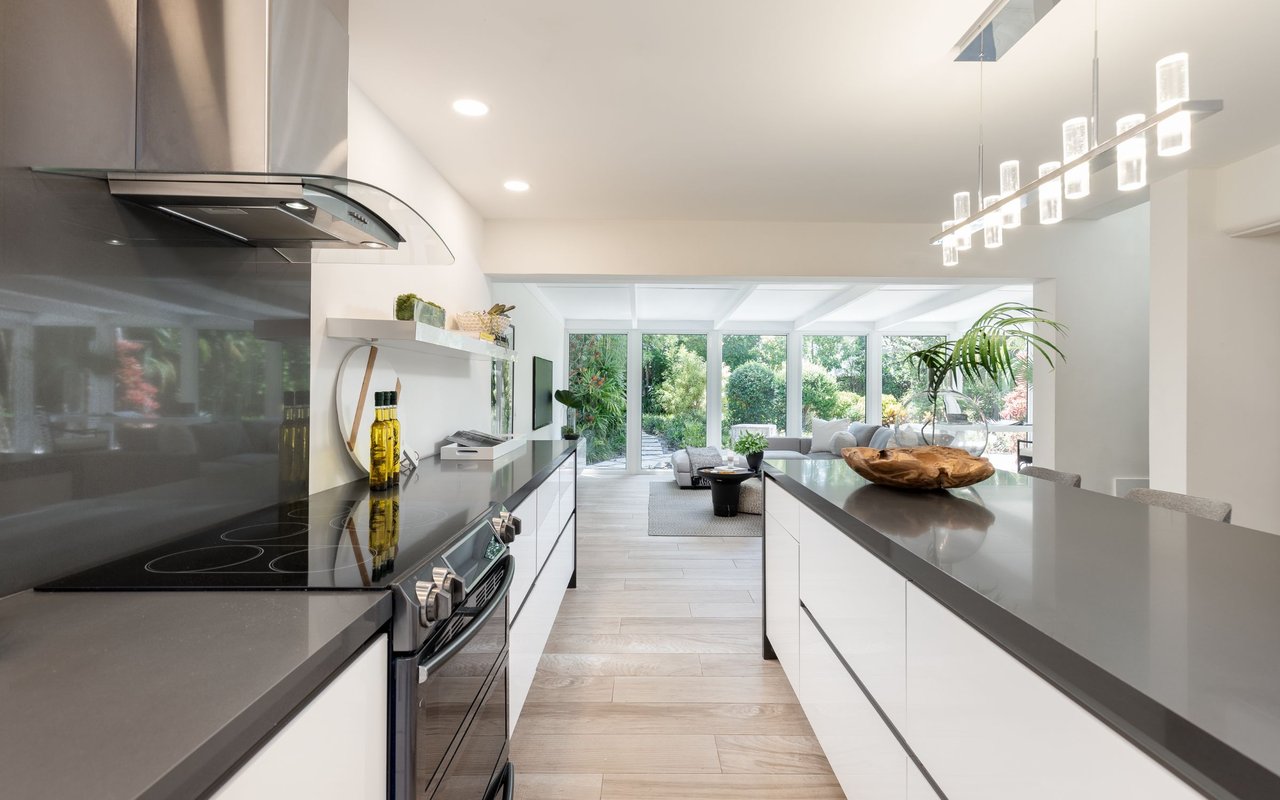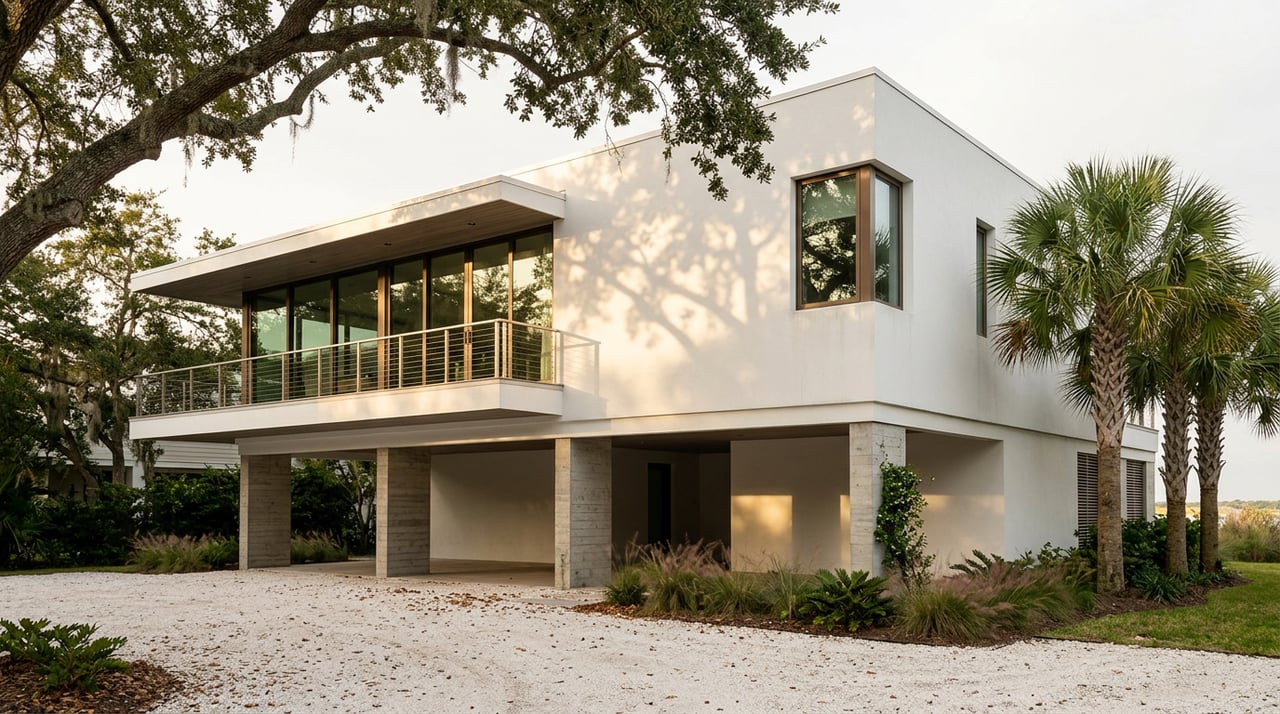
Two homes sit two blocks apart on Pass-a-Grille. Both are listed at $625,000. Both are 1960s block, both need work, both have a dock. One will cost the buyer roughly what the contract says. The other will cost the buyer that, plus a forced elevation, plus a rebuild of the ground floor to current code. Same street. Same price. Different transaction.
That gap is the story the median price cannot tell you. Over the three months ending May 2026, Redfin data pegged the St. Pete Beach median sale at $605,000, down 5.5% year over year, with homes averaging 83 days on market versus 45 a year earlier. The softer print is real, but for a buyer underwriting a coastal purchase in the wake of Hurricanes Helene and Milton, the more useful number sits inside the appraisal, not on the portal.
The number the portals leave off
St. Pete Beach sits almost entirely inside FEMA Zones VE and AE, the Special Flood Hazard Areas where wave action and base flood elevation drive construction rules. That designation is not a footnote. It is the mechanism that decides whether a buyer inherits a house or a project.
The trigger is called Substantial Damage. If the cost of repairs is estimated at 49% or more of the structure's pre-disaster market value, the parcel must be brought into current floodplain code. In Pinellas County, that typically means elevate, relocate, or demolish. The county's Substantial Damage FAQ sets a compliance deadline of December 31, 2026 for homes that received a substantial damage letter tied to Helene or Milton, with standard permit penalties waived through June 30, 2026.
For a buyer, that changes the diligence question from "how does this house show" to "which side of the 49% line does this house sit on, and does the seller have a letter on file?"
The 49% rule, in plain buyer terms
Think of the rule as a switch, not a slope. Under the threshold, most work is treated as a cosmetic remodel. Over it, the project becomes a floodplain rebuild.
The math is done on the structure's value, not the total assessed value. Land does not count. On a St. Pete Beach lot where the dirt is worth more than the house, a modest repair estimate can cross 49% of structure value very quickly.
Two practical consequences follow. First, a home that took on water in 2024 may already carry a substantial damage letter, which travels with the property whether or not the seller flagged it. Second, a buyer planning a renovation in the first three years of ownership needs to add their planned scope to any prior repair work, because cumulative improvements can trip the same threshold voluntarily. That is the "Substantial Improvement" version of the rule, and it applies to buyers who never saw a drop of storm water inside the house.
The cost of tripping the switch on a St. Pete Beach parcel usually looks like this:
Zone | What the code requires | What it typically costs the owner |
|---|---|---|
AE | Lowest finished floor at Base Flood Elevation plus one foot of St. Petersburg freeboard. Below-BFE space limited to parking, storage, or access. Flood vents required. | Elevation of an existing slab home, or a rebuild on stem wall or pilings. Often six figures before finishes. |
VE | Everything AE requires, plus engineered piling foundations, breakaway walls below BFE, and wave-action structural detailing. | Pilings commonly driven 10 to 20 feet below grade. Design and engineering fees rise materially. |
X | No federal flood insurance mandate, standard remodel rules. | Cheapest to renovate, but Helene proved that "low risk on the map" and "did not flood" are two different sentences. |
The last row matters more than it reads. During Helene, large numbers of Zone X homes across Pinellas took on water, including addresses whose owners had never carried a flood policy. On St. Pete Beach, where VE and AE dominate, Zone X is scarce anyway. On the mainland side of a buyer's search, it is the trap.
Insurance is three policies, not one
The homeowners quote a buyer receives at contract is one third of the true carrying cost. The other two thirds are the pieces the seller's listing does not advertise.
- Homeowners with wind. For a typical Pinellas single-family home, 2026 premiums generally run in the $3,900 to $5,500 range, with barrier-island and direct-waterfront addresses running higher. Roof age, opening protection, and hurricane deductible drive most of the spread.
- Flood, sold separately. Every Florida homeowners policy excludes rising water. In practical terms a St. Pete Beach buyer will carry an NFIP or private flood policy that commonly adds $1,200 to $3,000 or more per year, tied to elevation certificate, foundation type, and how far the lowest floor sits above or below BFE. Pinellas participates in the NFIP Community Rating System at a level that can discount NFIP premiums by up to 40%, which is one of the few structural cost breaks the county offers coastal owners.
- Citizens, if that is where the policy lands. Citizens has begun phasing in a mandatory flood requirement for policies with wind coverage. Homes insured above $400,000 needed flood coverage in place by January 1, 2026, and all remaining Citizens personal residential wind policies must carry flood by January 1, 2027. A buyer taking assignment of a seller's Citizens policy is inheriting that timeline.
The wind-versus-water distinction is not academic. After Helene and Milton, the most disputed line in Pinellas claims was whether interior damage came from wind-driven rain through a storm-created opening, which homeowners covers, or from surge and ponding, which requires the separate flood policy. Buyers evaluating a recently repaired home should ask which policy paid, for what, and whether Increased Cost of Compliance benefits under the NFIP were used to fund any elevation work.
What this means for the offer
The softer print in the current market gives a prepared buyer real leverage. Days on market roughly doubled year over year, and sellers who priced to the 2022 peak are now negotiating from a longer runway. The point of the leverage is not to shave 5% off a list price. The point is to buy the right side of the 49% line, or to price the wrong side correctly.
A short diligence list, in the order that matters:
- Pull the FEMA / Water Level Map letter from the Pinellas County Property Appraiser. It states the parcel's zone in writing. One block can change designations.
- Ask the seller in writing whether a substantial damage letter was issued after Idalia, Helene, or Milton, and whether it was appealed or resolved. The county reevaluates on submission of photos, an elevation certificate, a detailed repair estimate, and an independent appraisal of actual cash value, not market value.
- Request the current elevation certificate. Without it, a flood quote is a guess. With it, the premium becomes a real number a lender can underwrite.
- Price the improvement plan against the 49% cap before closing, not after. A kitchen and two baths in year one and a primary suite addition in year three can add up to a forced elevation the buyer never intended to fund.
- Ask which insurance carrier the seller uses and whether the flood policy is assumable. Some NFIP policies transfer at the seller's rate, which can meaningfully change the first-year carrying cost for a new buyer.
None of this is a reason to walk away from St. Pete Beach. It is a reason to underwrite the address rather than the ZIP code.
FAQ
Is a home on St. Pete Beach a bad buy in 2026? No. It is a market where the list price is a starting figure, not a closing figure. Buyers who understand zone, elevation, and insurance stack are still finding waterfront and near-water homes at prices that would have drawn multiple offers two summers ago.
If the house is already elevated, does the 49% rule still matter? Less, but not zero. A properly elevated home built to current AE or VE standards is generally outside the substantial improvement conversation for cosmetic work. Structural additions and expansions still count toward the threshold, and the elevation certificate remains the document that drives the flood premium.
What if the parcel is in Zone X? Zone X reduces required insurance and simplifies remodel rules. It does not eliminate flood exposure. Helene put water into Zone X homes across Pinellas that had never taken on water before. On a coastal purchase, carrying flood regardless of zone is the discipline.
Can I appeal a substantial damage letter after closing? Yes. The Pinellas County Building and Development Review Services Department accepts reevaluation packages that include damage photos, an elevation certificate, a detailed repair estimate, and an independent appraisal of the home's actual cash value. The current compliance deadline for Helene and Milton letters is December 31, 2026, which is a live clock for any buyer taking title this year.
Waterfront in St. Pete Beach is still a lifestyle worth buying. It is also a transaction that rewards the buyer who reads the parcel, not the portal. The team at Leisa Erickson Group has spent years underwriting Gulf Coast homes across zones, elevations, and post-storm rebuilds, and we would rather walk a property with you before an offer than negotiate one after inspection. Let's Connect when you are ready to look at the beach with clear eyes.